$2,899.00
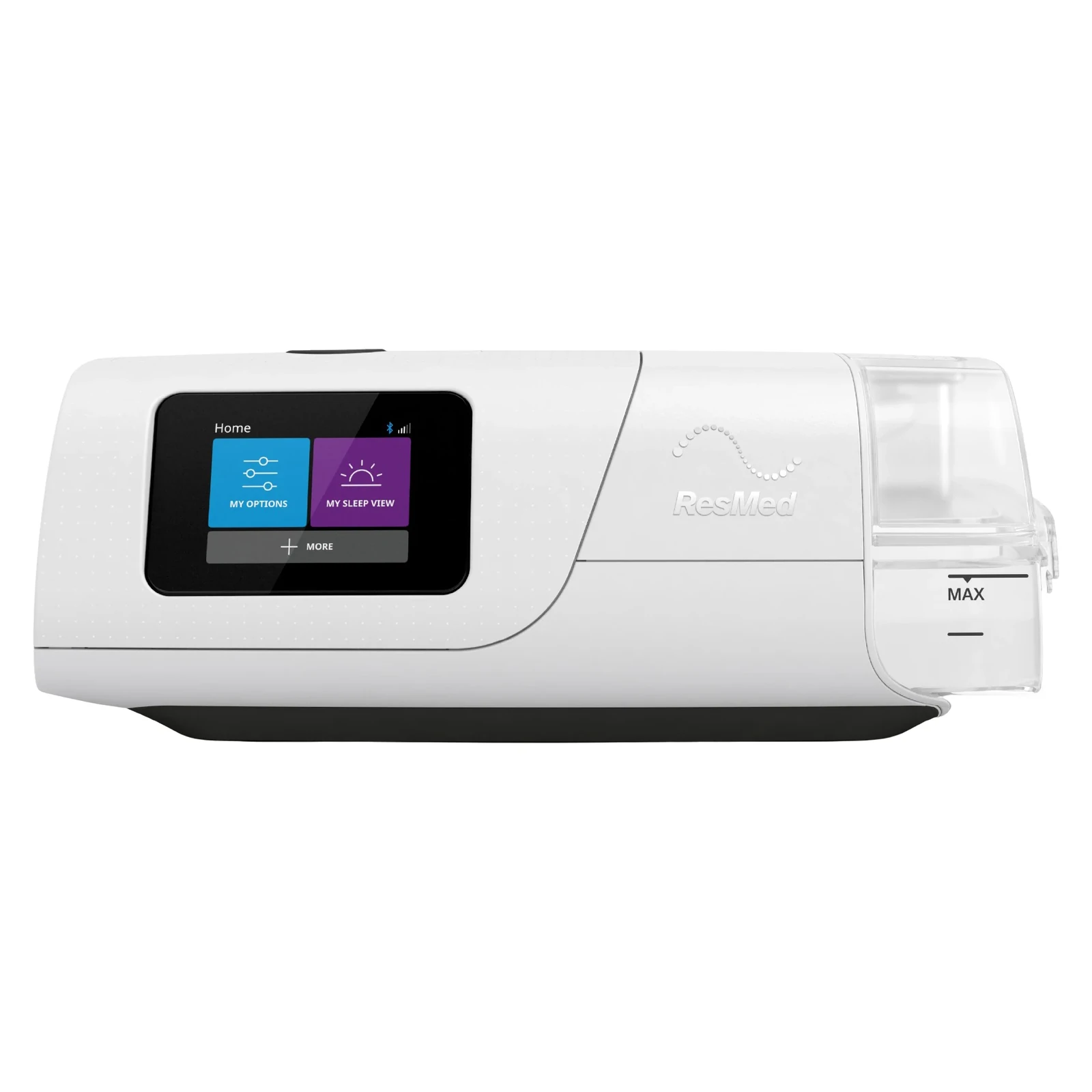
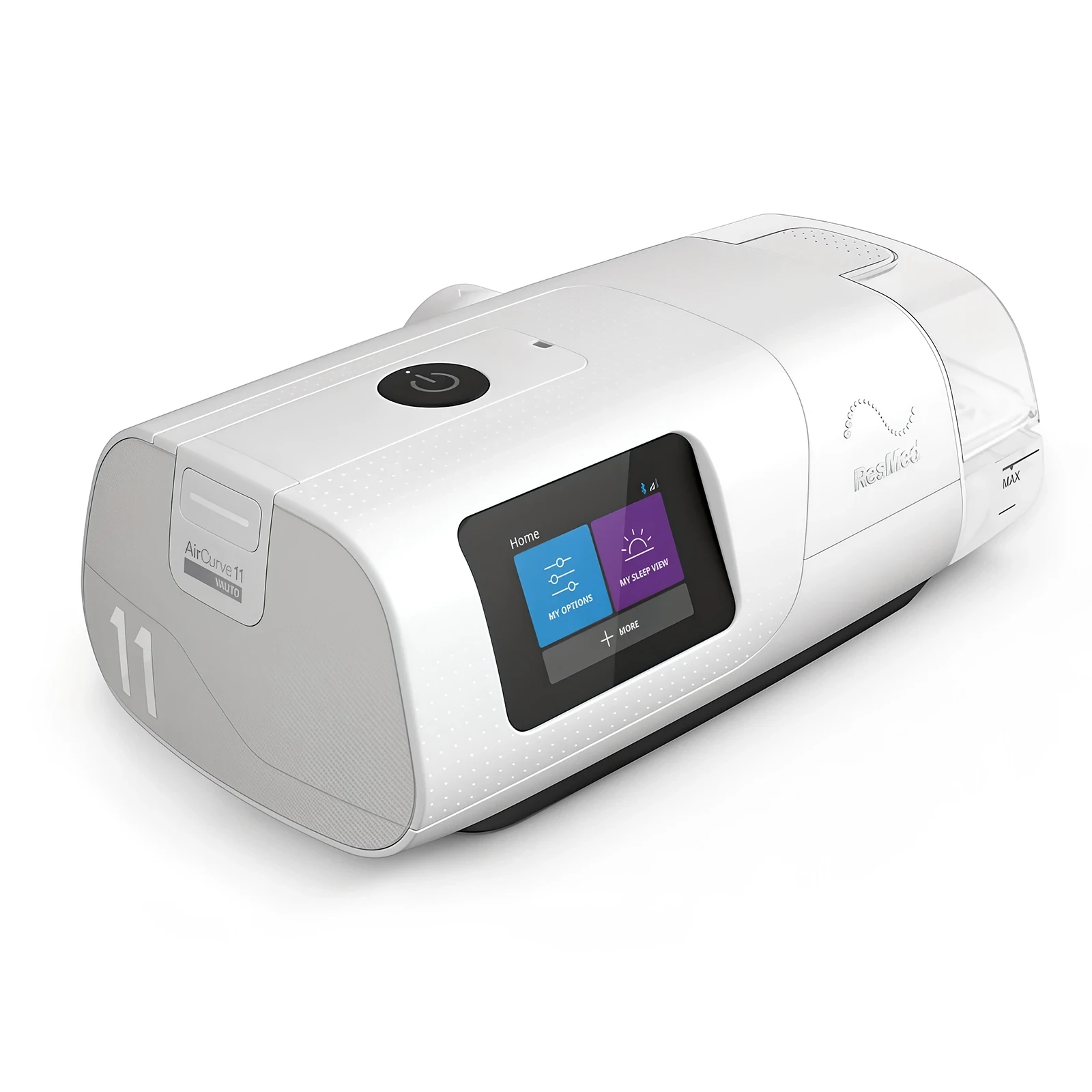
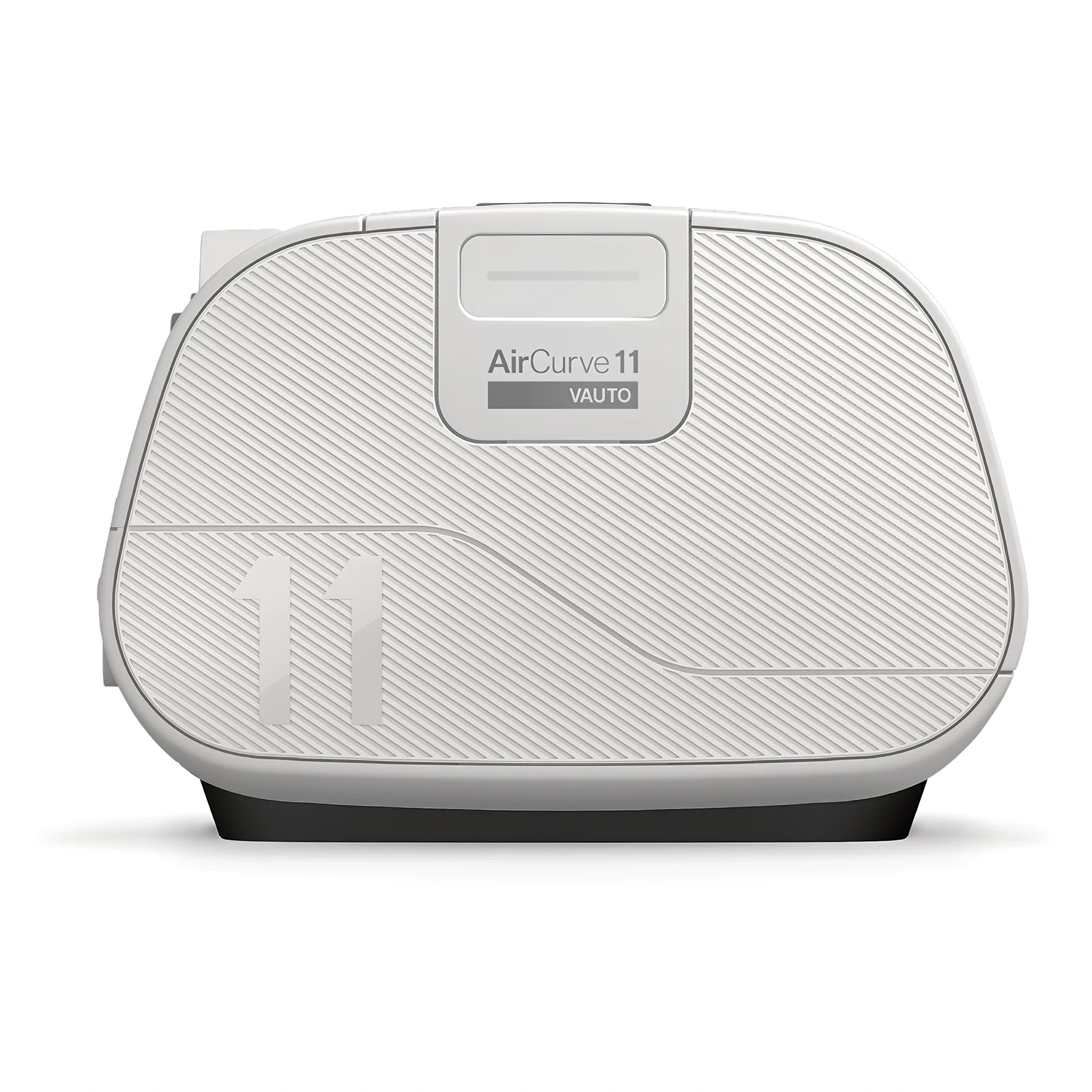
If your sleep specialist has recommended bilevel therapy, the ResMed AirCurve 11 VAuto is the device most often prescribed for that next step. Instead of holding one steady pressure the way a CPAP machine does, it gives you a higher pressure as you breathe in and eases off as you breathe out.
That difference is what most people notice first. Breathing out feels much more natural, which is why bilevel is usually recommended for patients who have found CPAP hard to tolerate at higher pressures.
How It Differs from CPAP
A CPAP machine holds a single pressure all night — you breathe in against it and you breathe out against it. Bilevel uses two: a higher one as you breathe in, and a lower one as you breathe out.
Diagram comparing CPAP and bilevel pressure: CPAP holds one steady pressure through the whole breath, while bilevel alternates between a higher pressure breathing in and a lower pressure breathing out.
Your sleep specialist sets the pressures that suit you, and the machine adjusts within those limits through the night as your breathing changes. You do not need to manage any of that yourself.
Key Features
Easier to breathe out against — the pressure drops away as you exhale, then rises again as you breathe in.
Adjusts through the night — responds automatically as your breathing changes, staying inside the range your specialist has set.
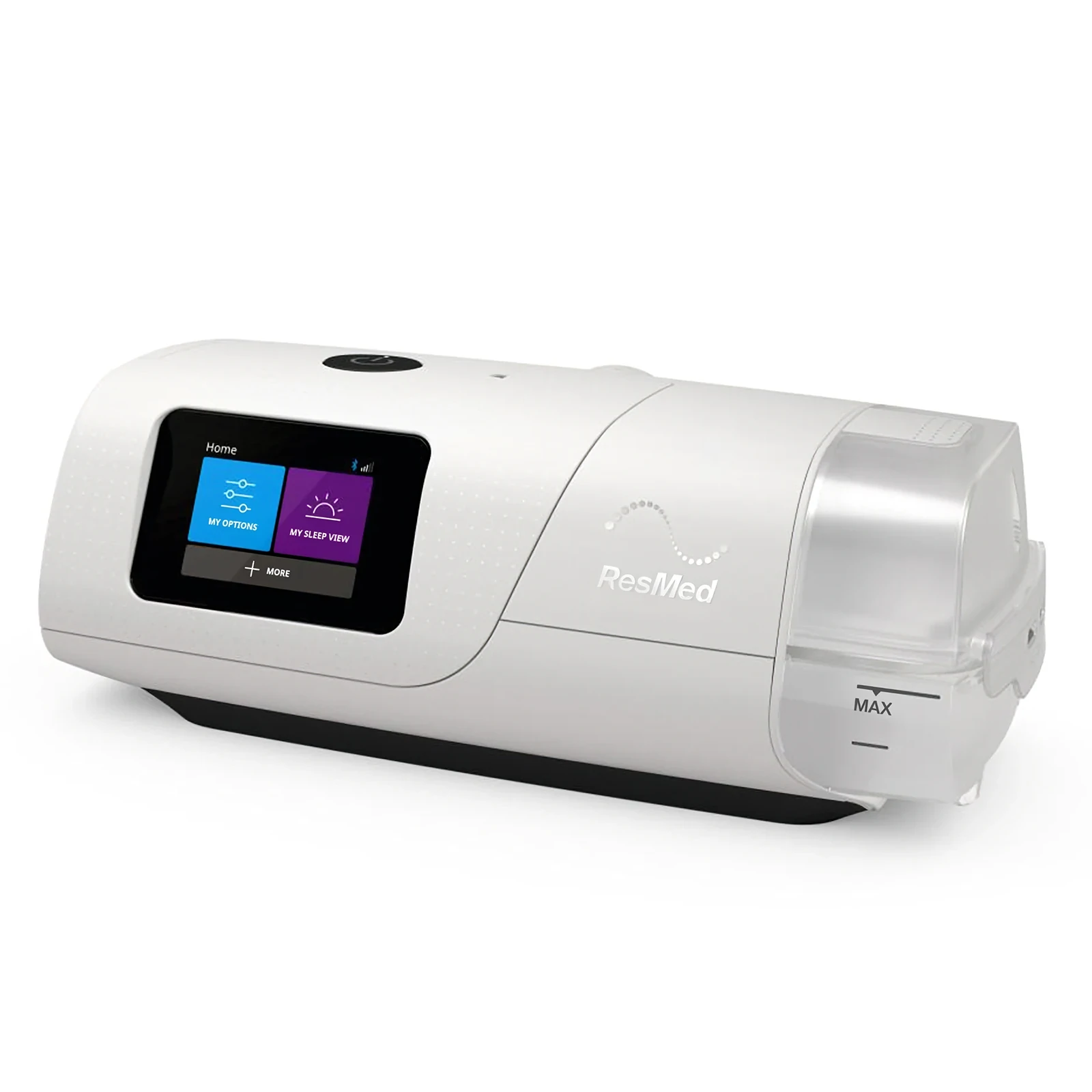
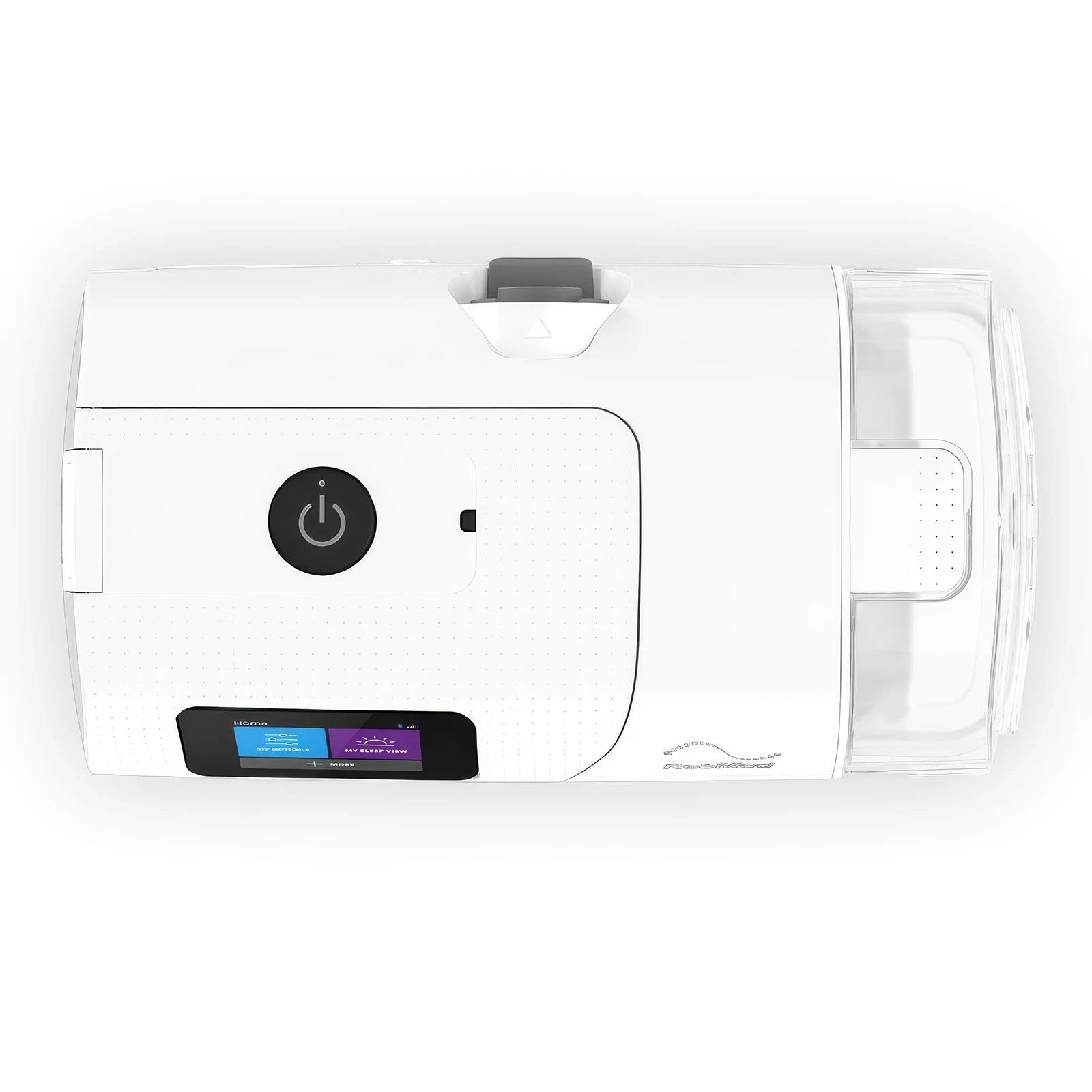
Built-in humidifier — a 380 mL water tub warms and moistens the air to help prevent a dry nose, mouth and throat. Adding ClimateLine 11 heated tubing stops condensation collecting in the hose.
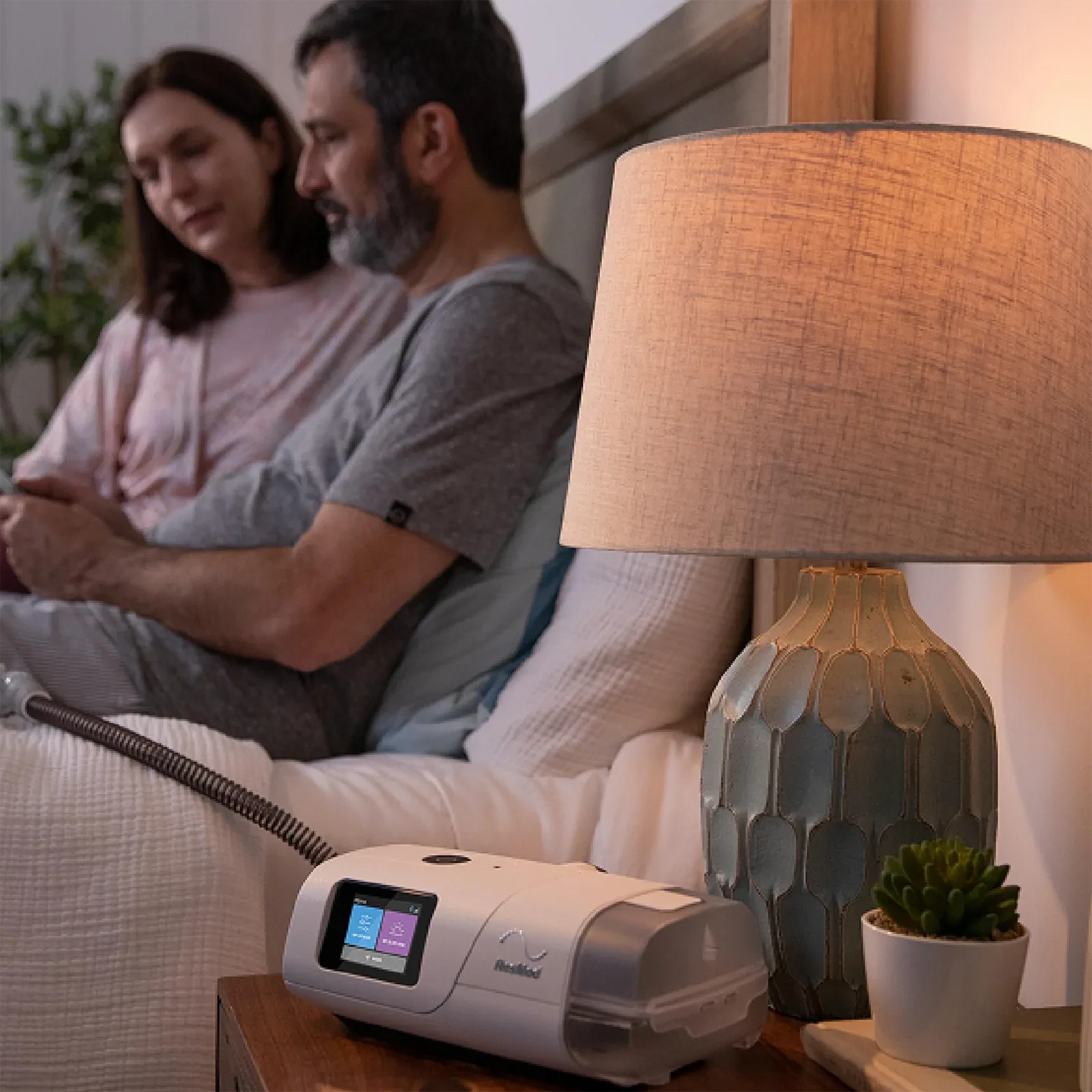
Quiet — 27 dBA, around the level of a whisper, so it should not disturb your partner.
Simple touchscreen — guided setup, with a Test Drive mode that lets you try the airflow while you are still awake.
Your data reaches us automatically — a built-in mobile connection sends your therapy data through to your clinician, so we can see how you are going and adjust your settings remotely if they need changing.
Who Is This For?
Bilevel therapy is prescribed for people with obstructive sleep apnea (OSA) who need more support than CPAP can give them, or who have struggled to breathe out against a high fixed pressure. If your sleep study showed you need pressures at the higher end of the range, or you stopped using CPAP because it felt like hard work, this is usually the device we move you to.
If your diagnosis involves central or mixed apnoeas, the AirCurve 11 ASV is the right device instead — your specialist will tell you which applies to you. If you are still weighing up your options, our guide to sleep apnea treatment options walks through the differences.
Do you need a prescription? In Australia and New Zealand, no — regulations here do not require one for the AirCurve 11 VAuto, because it treats obstructive sleep apnoea. The AirCurve 11 ASV does require a prescription. Either way, the machine needs the pressures your specialist has set for you, so send your prescription or titration report through with your order and our clinical team will set it up before it is dispatched or collected.
Is Switching Worth It?
The research supports it. A 2019 study of patients who were struggling to stay on CPAP found their usage improved after moving to bilevel therapy. A 2023 study of patients switching specifically to ResMed’s VAuto therapy reported better sleep quality and less daytime sleepiness.
Whether it is the right move for you is a decision for your sleep physician, based on your diagnosis and your therapy data. Always read the label and follow the instructions for use.
What’s in the Box
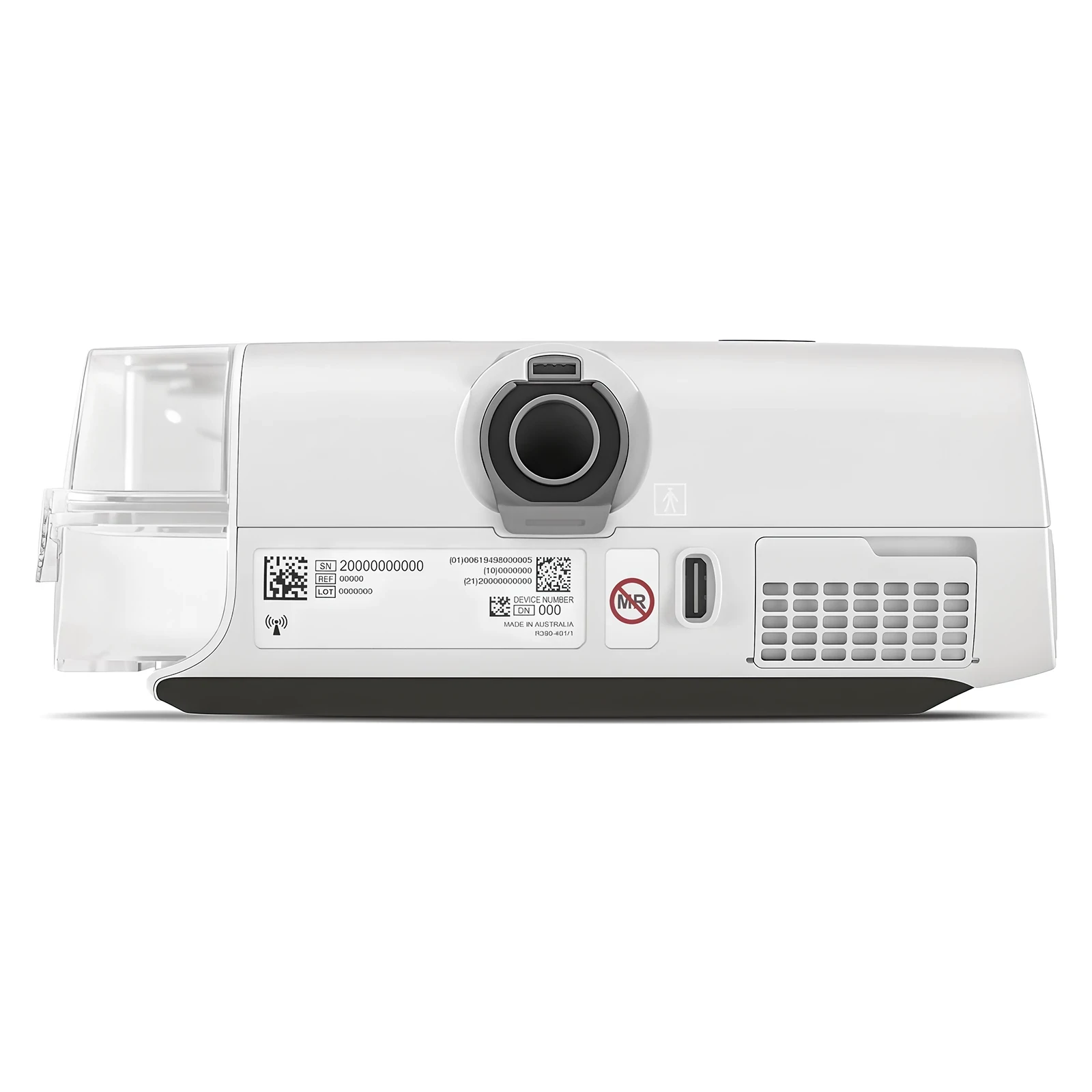
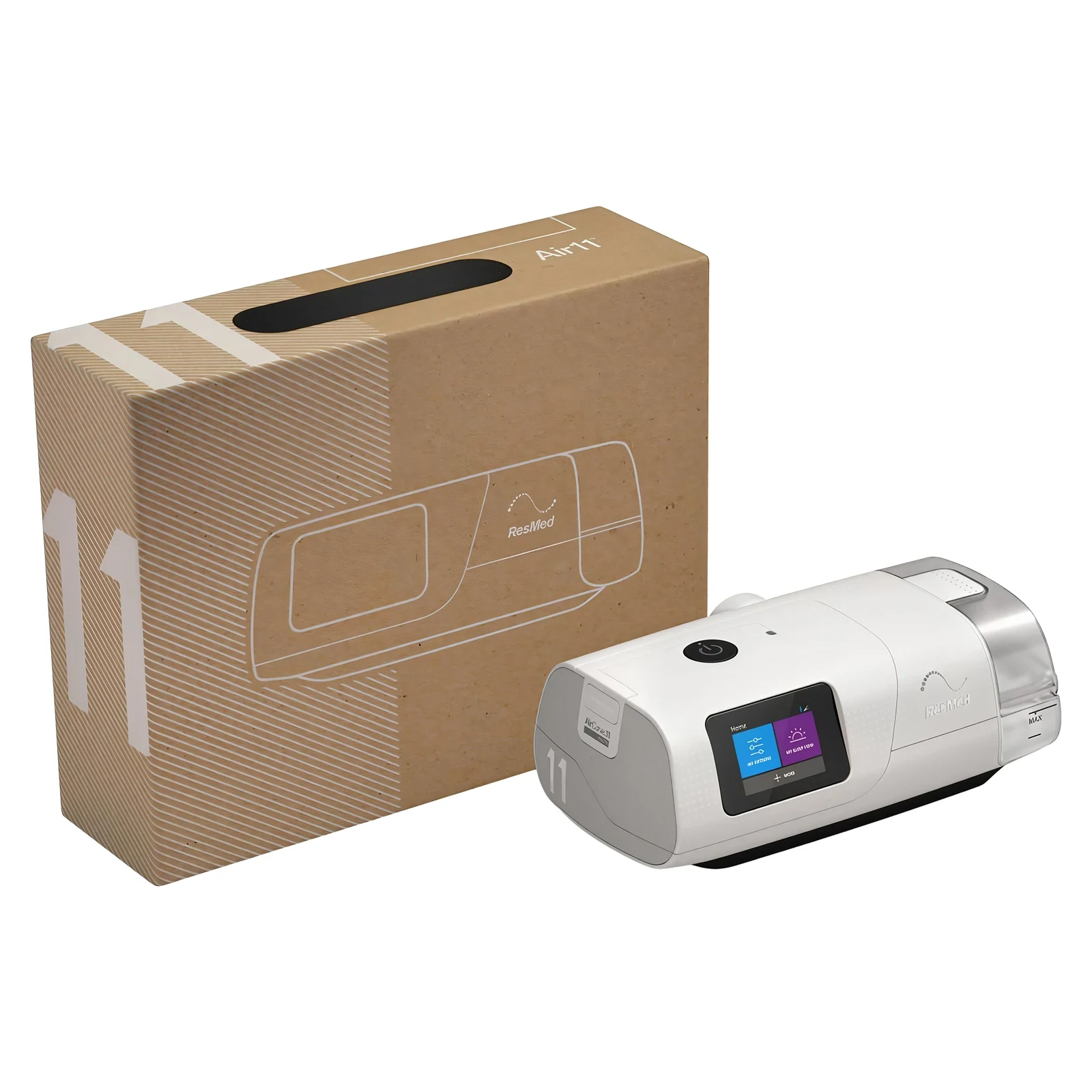
AirCurve 11 VAuto device
HumidAir 11 humidifier tub
ClimateLine 11 Air tubing
Air11 90 W power supply unit
Air11 air filter
Travel bag
A note if you are upgrading: the AirCurve 11 uses its own tubing and water tub. Parts from an AirSense 10 or AirCurve 10 will not fit.
Getting a good mask seal matters more on bilevel than on CPAP, because the higher pressure will find any gap. Our clinicians offer mask fitting in person at all five mySleep clinics — worth booking in if you are moving across from a mask that was only just working before. Full face masks are the most common pairing with bilevel therapy.